If People Have to Decode It, You’ve Lost Them
Clever campaigns get applause.
Clear messaging gets action.
And those are not the same thing — even though they’re often treated like interchangeable goals.
You’ve seen this play out.
A campaign launches. The visuals are gorgeous. The copy is witty. People share it with a “this is so smart” caption.
Then someone asks the fatal question:
“So… what are they actually selling?”
Cue the awkward pause.
Cleverness loves ambiguity. It leaves room for interpretation. It invites people to linger, admire, decode. Which is great if your only goal is attention.
But attention is fragile. And impatient. And usually happening between a Slack notification and someone reheating their coffee for the third time.
Most people are not leaning in.
They’re skimming.
Clear messaging respects that reality.
It doesn’t ask the audience to solve a puzzle.
It doesn’t hide the point behind wordplay.
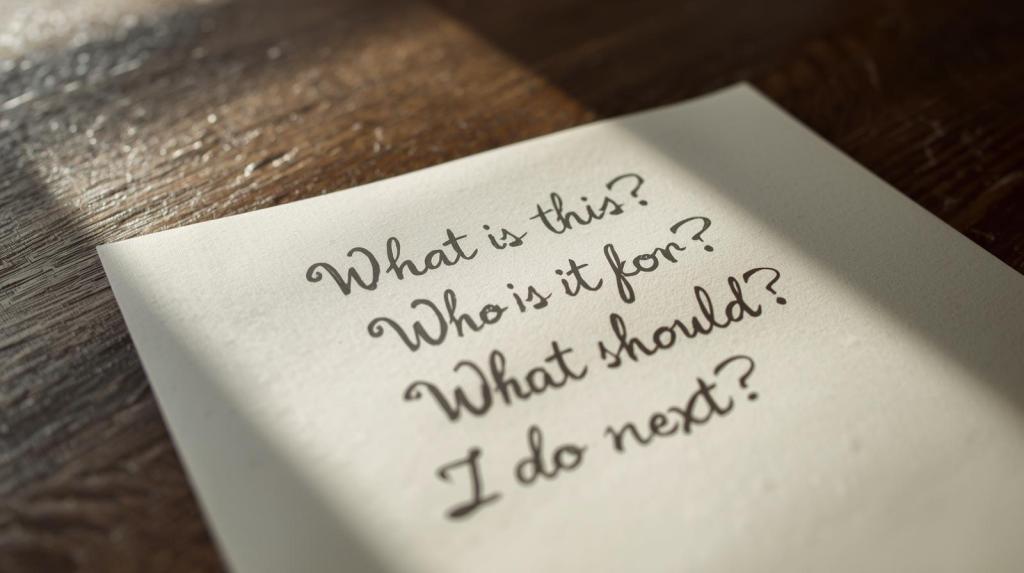
It says, plainly: Here’s what this is. Here’s who it’s for. Here’s why it matters.
And here’s the uncomfortable part: clarity often feels boring to the people who made the campaign.
Because when you’re deep inside a brand, everything feels obvious. Familiar. A little stale. So teams reach for cleverness to keep themselves engaged — not realizing they’re optimizing for internal boredom instead of external understanding.
Clever campaigns age quickly.
Clear messaging compounds.
When people understand you the first time, they trust you the second. They remember you the third. They don’t need a new concept every quarter to know what you’re about.
That’s not a failure of creativity.
That’s creativity doing its job.
The strongest messaging I’ve worked on rarely made people say, “Wow, that’s clever.”
It made them say, “Oh. I get it.”
And then they acted.
Clicked.
Signed up.
Forwarded it to the right person without adding an explanation.
That last part matters more than most brands realize.
If your audience has to translate your message for someone else, your messaging isn’t finished.
Clarity scales because it travels intact.
Cleverness often needs a tour guide.
This doesn’t mean humor, personality, or originality don’t belong. They do. Absolutely. But they should sit on top of clarity — not replace it.
The goal isn’t to impress people.
It’s to be understood.
And in a world where everyone is competing for attention, the brands that win aren’t the loudest or the smartest.
They’re the ones who make it easiest to know what to do next.
Which, frankly, is the hardest kind of work there is.




Leave a comment