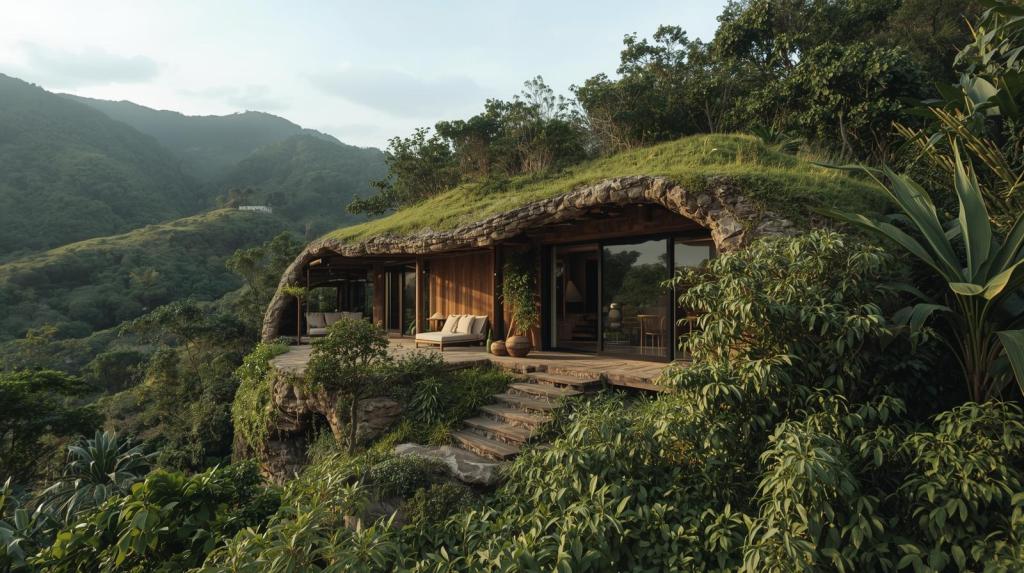
Ten destinations built for slower, more ethical tourism
Sustainable travel in 2026 isn’t about finding places no one’s ever heard of.
It’s about choosing destinations that have thought about tourism longer than you have. Places that have set boundaries. Places that value continuity over growth curves. Places where visiting feels more like being invited than arriving.
These destinations don’t reward speed.
They reward attention.
1. Alentejo (Portugal)
Alentejo stretches quietly across southern Portugal, all cork forests, whitewashed villages, and agricultural rhythms that haven’t been rushed to accommodate outsiders. Tourism here is built around slow food, heritage farming, and rural stays, not cruise ports or nightlife districts.
What makes Alentejo sustainable isn’t just low crowds — it’s local ownership. Family-run guesthouses, regional wine cooperatives, and farm-to-table tourism keep money circulating locally. Travelers who come here tend to stay longer, move slower, and participate rather than consume.
This is the antidote to overtouristed Portugal — and locals intend to keep it that way.
2. Kiso Valley (Japan)
The Kiso Valley is preservation done deliberately. Former post towns along the old Nakasendo route have resisted modernization that would dilute their identity, opting instead for walkable tourism, strict building codes, and cultural continuity.
Travelers move through on foot, staying in ryokan run by families who have lived there for generations. Meals are seasonal, sourced locally, and served with an emphasis on tradition rather than performance.
Tourism here supports maintenance, not replacement. You’re not there to be entertained — you’re there to observe, respect, and adapt.
3. Transylvania (Romania)
Strip away the pop-culture myth, and Transylvania reveals itself as one of Europe’s most quietly ambitious sustainability success stories. Rural villages have leaned into rewilding initiatives, heritage conservation, and community-led tourism models that prioritize longevity over volume.
Guesthouses are small. Experiences are hands-on. Visitors are encouraged to understand local ecology, food systems, and history — not just photograph it. NGOs and community cooperatives play a major role in shaping how tourism evolves here.
This is sustainable travel that feels collaborative, not curated.
4. Chiloé Island (Chile)
Chiloé’s identity is deeply tied to its landscape — rain-soaked, wind-swept, and stubbornly independent. Tourism here is intentionally restrained, with a focus on architectural preservation, local fishing economies, and myth-infused cultural heritage.
Large-scale development is limited. Accommodations tend toward eco-lodges and family-run inns. Food is hyper-local, and travel itineraries emphasize connection to place rather than speed.
Chiloé doesn’t ask to be “discovered.” It asks to be understood.
5. Lecce (Italy)
Lecce proves that sustainability doesn’t require isolation. This southern Italian city has avoided the mass-tourism pitfalls of Venice and Florence by investing in regional travel, restoration projects, and walkable urban design.
Instead of day-trippers flooding in, Lecce attracts travelers who linger — exploring baroque architecture, local crafts, and nearby rural towns. Tourism dollars support conservation rather than eroding it.
It’s Italy, yes — but without the exhaustion.
6. The Azores (Portugal)
Often cited as a global model for sustainable tourism, the Azores back up the reputation with policy. Visitor numbers are capped. Environmental impact is measured. Renewable energy investment is ongoing. Conservation isn’t optional — it’s structural.
Travelers here engage with geothermal landscapes, marine protection zones, and low-impact outdoor experiences designed to educate as much as inspire. The emphasis is on regeneration, not extraction.
This is what it looks like when sustainability is enforced, not marketed.
7. Luang Prabang (Laos)
Luang Prabang operates at a different tempo. Tourism is carefully regulated to preserve religious traditions, architectural integrity, and daily life. Large chains are limited. Cultural norms are protected.
Visitors experience the city through ritual, routine, and restraint — from morning alms to slow river travel. Economic benefits flow directly into the community through small businesses and locally guided experiences.
This is cultural tourism without spectacle.
8. Faroe Islands
Rather than pretending overtourism isn’t a problem, the Faroe Islands confront it head-on. Seasonal closures, volunteer tourism initiatives, and strict infrastructure planning put residents first.
Travel here requires flexibility — weather, access, and limits are part of the experience. Visitors are expected to adapt, not demand.
Sustainability here isn’t soft. It’s enforced. And it works.
9. Andros (Cyclades)
While other Greek islands chase luxury branding, Andros leans into agriculture, hiking networks, and cultural preservation. Tourism infrastructure supports exploration without overwhelming the island.
Travelers spend days walking old paths, eating locally, and staying in modest accommodations that reflect the island’s rhythms. Beach clubs are minimal. Flash is discouraged.
This is Greece with roots still showing.
10. Upper Mustang
Upper Mustang’s sustainability comes from restriction. Limited permits, controlled access, and community-governed tourism protect a fragile cultural and ecological landscape.
Travel here is intentional, expensive by design, and deeply educational. Visitors are guests, not consumers. Revenue funds preservation, not expansion.
This is tourism as stewardship.



Leave a comment